
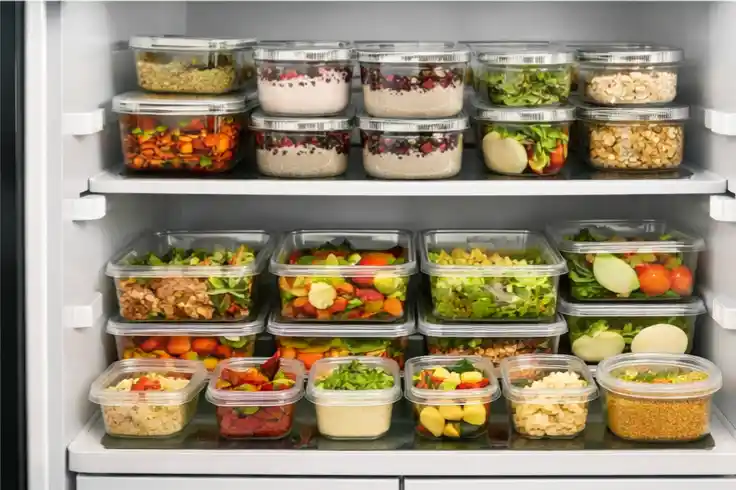
Intermittent fasting often looks simple on paper. You define an eating window, you plan to eat within it, and you move on with your day. In real life, though, the experience is more nuanced. Schedules shift, appetite fluctuates, and energy can feel unpredictable if meals are improvised at the last minute.
Meal prep does not need to be rigid or extreme to be helpful. When it is aligned with intermittent fasting, it becomes a quiet support system. It reduces decision fatigue, lowers digestion load, and gently reinforces consistency without turning food into a constant project.
This article explores meal prep habits that work with eating windows rather than against them. The focus is not on rules or results, but on patterns that tend to feel steadier over time. Everything here is informational only, not medical advice, and intended to help you think more clearly about structure, timing, and ease.
Over time, many people notice that when eating windows are supported by preparation, fasting feels less like restraint and more like rhythm. That shift usually happens gradually, not because of perfection, but because small systems begin to carry the weight.
Why Meal Prep Matters More With Eating Windows
Intermittent fasting compresses decision-making into a shorter period. When the eating window opens, the body is ready for nourishment, but the mind still has to decide what, when, and how much to eat. Without preparation, those decisions pile up quickly.
Meal prep reduces cognitive load. It also supports satiety signaling by making meals more predictable in composition and timing. When food choices are familiar and balanced, the body tends to respond with clearer hunger and fullness cues.
Another often overlooked factor is digestion load. Large, improvised meals eaten quickly can feel heavier than planned meals eaten calmly. Preparing ahead allows meals to be paced, portioned, and structured in a way that feels easier to digest within a shorter window.
For a broader look at how scheduled eating patterns interact with weight and metabolic health, this overview from Harvard Health on scheduled fasting offers helpful context without pushing rigid conclusions.
Meal prep does not need to mean identical containers lined up for days. In practice, it often works best when it supports flexibility while removing friction at key moments.
Designing Prep Around the Opening of the Window
The first meal inside an eating window tends to set the tone for everything that follows. When this meal is rushed or unbalanced, energy stability later in the window can feel uneven.
Planning this meal ahead of time often brings disproportionate benefits. Many people find that when the opening meal is ready to go, there is less urgency to overeat or compensate later.
This is where nutrient timing becomes practical rather than theoretical. A prepared meal that includes protein, fiber, and fats in familiar proportions allows metabolic flexibility to do its work without stress.
Some people prefer to prep a full meal for the opening. Others prepare components that can be assembled quickly. Both approaches can work, as long as the decision is made before the window opens.
A commonly observed pattern is that when the first meal is predictable, the rest of the window feels calmer. That calm often carries into the fasting period that follows.
Meal Prep That Respects Appetite, Not Overrides It
One concern people raise about meal prep is the fear of eating when not hungry or ignoring appetite cues. Thoughtful prep does the opposite. It creates options without forcing outcomes.
Instead of rigid portions, many people prepare flexible elements. Cooked proteins, roasted vegetables, and simple carbohydrates can be combined differently depending on appetite that day.
This approach supports satiety signaling because it allows adjustment without chaos. The meal is still grounded in preparation, but the body has room to speak.
Over time, people often notice that appetite becomes more predictable when meals are structured but not locked in. This predictability tends to support consistency without pressure.
Meal prep, in this sense, becomes a conversation with your future self rather than a set of commands.
Hydration, Timing, and the Space Between Meals
Hydration is often discussed separately from meal prep, but in intermittent fasting they are closely linked. What you prepare to eat influences how and when you remember to drink.
During fasting periods, hydration habits often determine how smooth the transition into the eating window feels. Inside the window, fluids can support digestion load and comfort.
For practical guidance on aligning fluids with fasting schedules, this internal resource on water and hydration during intermittent fasting explores timing and balance in more detail.
Meal prep can quietly reinforce hydration by pairing meals with soups, broths, or water-rich foods. These choices are rarely dramatic, but they often feel supportive over time.
Many people notice that when hydration is considered part of prep, energy stability across the window feels more even.
Weekly Rhythm Beats Daily Perfection
Daily meal prep can become exhausting if it is treated as a performance. A weekly rhythm tends to be more sustainable.
This does not require cooking everything on one day. It means thinking in weeks rather than meals. Which foods will likely be eaten during eating windows this week? Which elements can be reused?
A simple weekly structure supports metabolic flexibility by allowing variety without constant novelty. The body adapts more easily when change is measured.
Building this rhythm often involves a short planning moment, not a long cooking session. Over time, that moment becomes familiar and less effortful.
If you are interested in shaping this rhythm, the guide on building a weekly meal prep habit with intermittent fasting expands on how people tend to make this sustainable.
How Meal Prep Supports Energy Stability
Energy dips during eating windows are often blamed on fasting itself, but timing and composition of meals play a significant role.
Prepared meals reduce long gaps between bites and help prevent sudden shifts in intake. This steadiness supports energy stability without requiring strict control.
Digestion load also matters here. Meals that are familiar and moderately sized are often easier on the system than large, unplanned combinations.
Many people notice, over time, that energy feels more consistent when meals are prepared with simplicity rather than intensity.
This pattern is often discussed in nutrition research, not as a guarantee, but as a tendency when structure replaces improvisation.
When Meal Prep Feels Mentally Light
The best meal prep systems are the ones you forget about. They operate in the background.
When preparation is aligned with eating windows, it reduces internal negotiation. There is less questioning and more flow.
This mental ease is not trivial. It supports long-term consistency more reliably than motivation alone.
Over time, many people find that fasting becomes less of a focal point when meals are quietly handled ahead of time.
This is often when intermittent fasting shifts from something you do to something that fits.
Some people also notice that social meals become easier to navigate when their baseline meals are already planned. There is less pressure to optimize every occasion.
Frequently Asked Questions
Do I need to prep every meal when doing intermittent fasting?
No. Many people find that preparing just one or two anchor meals inside the eating window is enough to reduce stress and support consistency without feeling restrictive.
Can meal prep make fasting feel more rigid?
It can if done inflexibly. When prep focuses on components rather than fixed meals, it often supports appetite awareness instead of overriding it.
Is meal prep helpful for short eating windows?
Yes. Shorter windows tend to benefit from preparation because decisions are compressed. Having food ready can make the window feel calmer and more intentional.
Closing Thoughts
Intermittent fasting does not succeed on discipline alone. It settles in when daily friction is reduced and patterns begin to support each other.
Meal prep, when done gently, acts as that support. It aligns eating windows with real life rather than asking life to conform to a schedule.
With consistency, many people observe that preparation brings a sense of ease to both eating and fasting periods. That ease tends to matter more than any single strategy.
If you’d love more calm, science-first insights, feel free to look around this site.
You can also check additional evidence-based breakdowns on this site.